

What Is a VNA (Vendor Neutral Archive)?
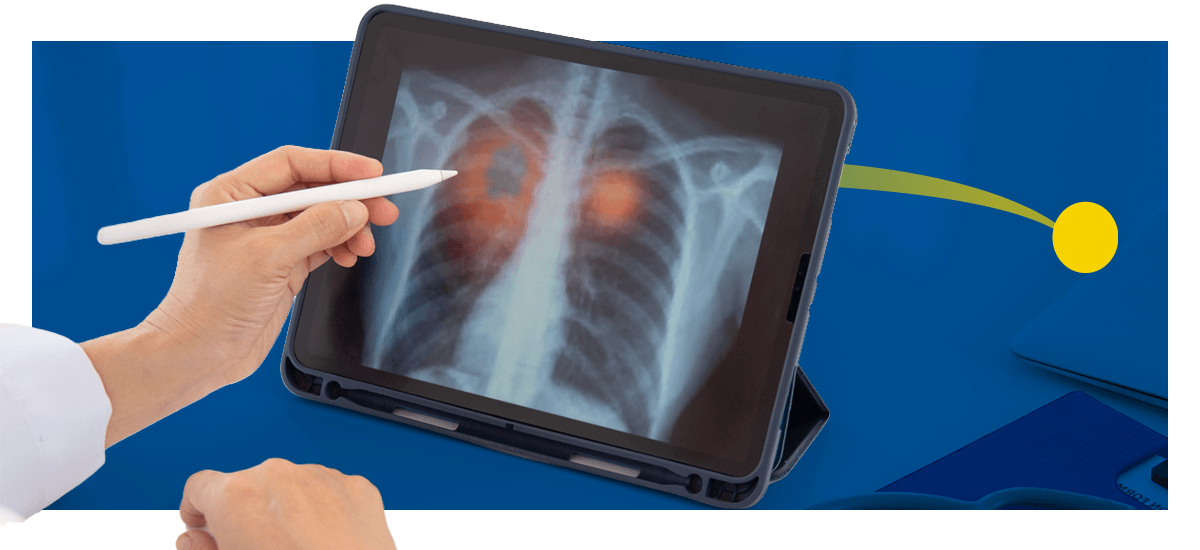
A VNA, which stands for vendor neutral archive, is a medical imaging storage solution. As your facility's medical imaging data grows, managing it becomes more complex. Over time, you may develop data silos and inefficiencies. A VNA centralizes and standardizes these medical images and data from different sources and places them into one accessible archive, simplifying data management. It allows healthcare professionals to access and share data much faster as well, improving collaboration and leading to more comprehensive patient care.
Explore how a VNA works and the benefits it offers for your organization.
How a VNA Solves Your Core Imaging Data Challenges
From breaking down data silos to making operations more efficient, a VNA can solve numerous core imaging data challenges for healthcare facilities.
- Data silos and fragmentation: VNAs consolidate images from separate picture archiving and communication systems (PACS) into a single archive. This way, healthcare professionals can get a more comprehensive view of patient data, bringing this information from different departments into one space.
- Vendor lock-in: Since they're vendor neutral, VNAs let organizations switch their imaging software or storage without complex and costly data migrations.
- Limited access and sharing: VNAs allow instant sharing and digital access to data across an organization.
- Interoperability issues: VNAs in healthcare facilities support several types of formats, from DICOM to non-DICOM, integrating with EMR and EHR systems while showing a patient's complete record, not just images. They liberate imaging data, creating a space where all images, regardless of their origin, can be stored in a universal format. If you implement a new PACS, the only thing you need to change with the VNA is the connection to the archive, not the data itself.
- Scalability and future proofing: Your patient data is always growing, and VNAs support the process with ease. They work well with the cloud, integrating AI and population health analytics or even new imaging technologies like point-of-care ultrasound, for instance.
- Workflow inefficiency: With centralized data, there are fewer delays in diagnosis. VNAs make it easier to collaborate across teams and share patient information. They also streamline data management, like archiving and retention.
VNA vs. PACS: Building a More Powerful Imaging Ecosystem
While there may be confusion surrounding the roles VNAs and PACS play, it's critical to know that a VNA is not meant to replace a PACS. Instead, they complement one another. A PACS is meant for departmental workflows, giving radiologists the tools to view, interpret and manage images for short-term access. Essentially, it's their daily workstation.
In contrast, a VNA focuses on the long-term archiving of this data across an enterprise. It gives healthcare teams a single view of a patient's entire imaging history across all sources, including multiple PACS, different specialties and even separate facilities within a healthcare network.
You can think of a PACS as your department's local working library, letting your dedicated team quickly access materials. A VNA is like the entire university's central library system. It's a vast repository that's accessible to everyone, preserving data while aiding in discoveries across the enterprise. Together, VNAs and PACS create a more powerful, integrated system.
Benefits of Implementing a VNA
Implementing a VNA can translate into several advantages for your healthcare organization, from greater interoperability and seamless sharing to greater efficiency and cost savings.
Achieve True Enterprise-Wide Interoperability
A VNA breaks down traditional data silos. It lets departments share images and patient data across an entire facility or to different facilities, even external partners and referral networks. This level of interoperability means clinical staff have constant and quick access to a patient's complete imaging record, regardless of where the images came from or when they were acquired.
Ultimately, VNAs can improve continuity of care. They make it easier for teams to collaborate and make better decisions for patients.
Drive Clinical and Operational Efficiency
VNAs make operations much faster while speeding up diagnoses. Clinicians get instant access to a patient's complete imaging history, helping them make faster decisions about a patient's care path and treatment planning. With patient information immediately accessible, clinicians also spend more time on patient care and less time searching for studies across the many systems in their facility. There's also no need to do more imaging in these instances, saving patients' time while reducing their radiation exposure.
Lower Long-Term Data Management Costs
A VNA can greatly reduce data management costs over time. By consolidating your storage infrastructure and standardizing data formations, a VNA helps avoid repeated, complex and expensive data migrations when upgrading PACS or replacing systems. With a more streamlined approach, you avoid vendor switching costs, reducing the total cost of ownership and optimizing IT resource allocation.
Future-Proof Your Imaging Strategy
A VNA gives your organization's imaging strategy a stable and scalable foundation. Since it's vendor neutral, you won't be locked into proprietary systems and have more flexibility to adopt new technologies more easily and with greater confidence. These could be anything from advanced AI analytics and new imaging modalities to telehealth solutions and other advancements. With a VNA, you can future-proof your organization to adapt and grow alongside healthcare technology.
Is Your Facility Ready for a VNA?
Before implementing a VNA, there are a few things to consider to make sure your facility is ready. For instance, your organization could likely benefit from a VNA if:
- Your organization is currently managing images across multiple PACS.
- Your organization plans on switching or upgrading its PACS vendors within the next five years.
- Your organization needs faster access to patient imaging records and a more comprehensive view.
- Your organization is looking for new ways to lower data management costs and increase efficiency.
If any of these situations apply to your organization, a VNA might be the next step toward future imaging success.
Build Your Integrated Imaging Strategy With Candelis
VNAs can make managing data easier, improve efficiency and patient care, and help you scale up as your organization grows. They offer a powerful foundation for your enterprise imaging strategy. To truly optimize your workflow, you need modern, efficient systems to acquire, route and view your studies. Candelis is an expert in enterprise imaging solutions, specifically designed to thrive in a VNA-centric environment. Our products, like the ASTRA™ Image Router and ImageGrid™ PACS, are built from the ground up for seamless integration, ensuring your imaging data flows effortlessly, efficiently and securely across your enterprise.
We understand the nuances of a truly connected radiology ecosystem. We can help transform your data management challenges into strategic advantages. Contact us today to learn more about our enterprise imaging solutions and how they can benefit your organization.
- Log in to post comments
