

Blog

Today's medical teams have to do more exams in less time. If your team is considering a new DICOM viewing system, you must balance the equipment's cost with how flexible it'll make your team's daily work.

The system requirements for Candelis PACS vary based on the facility's imaging volume and deployment method. Candelis ImageGrid VM calls for a minimum of 8 CPU cores, 64 GB RAM and 2 TB of storage to access full PACS functionality. It is also compatible with multiple hypervisors, including AWS and Azure. Read on for more about the system requirements and setup for Candelis PACS.

Radiology as a field started in 1895, and over the next century, the field advanced quickly. A series of breakthroughs changed how physicians diagnose and treat disease. The history of radiology timeline below traces the discoveries, technologies and organizations that shaped medical imaging.
Take a look at how we got from the early innovations to the digital infrastructure healthcare organizations depend on today.

Every clinical imaging exam follows a protocol. These instructions explain how the scan operates, what the images show and how you interpret the results. Having standardized instructions helps technologists perform exams the same way every time and obtain accurate diagnostic information.
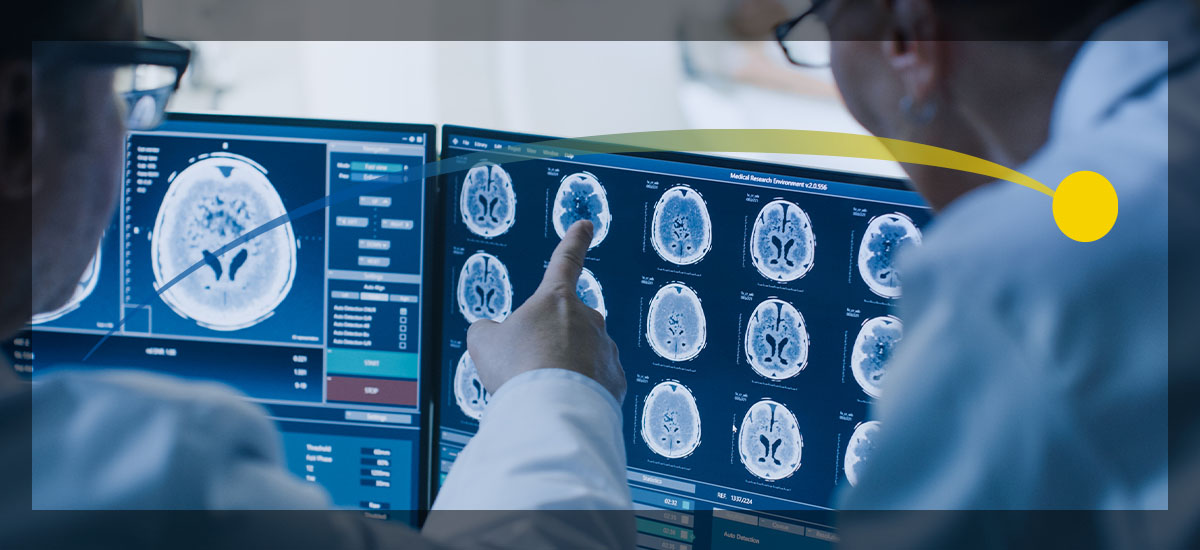
Candelis solutions are built to integrate with nearly all standard healthcare IT ecosystems. We can help you create a unified imaging environment that boosts efficiency, reduces risk and helps your team deliver faster, more accurate diagnoses.

Radiology workflows demand annotation tools that integrate seamlessly into diagnostic processes. When you need to mark regions of interest (ROI), add measurements or create text labels for future reference, the tools should support your clinical thinking without adding friction.

Artificial intelligence has become a game-changer, especially in healthcare software and medical imaging. Candelis AI software is built on a foundation of advanced automation and intelligent workflows. But it's not AI for AI's sake. Instead, the goal is to make life easier, more efficient and more accurate for healthcare teams.

Candelis solutions are designed to seamlessly connect with Epic Health Systems. This is achieved through familiar, industry-standard protocols that integrate with your Epic Electronic Health Record (EHR).

Candelis solutions integrate with Amazon Web Services (AWS) and are built on secure, scalable infrastructures. Healthcare facilities using traditional on-premise storage solutions are subject to maintenance responsibilities, scalability issues and high costs. AWS enables Candelis to provide expanded cloud storage, reducing the purchasing and maintenance burdens these organizations face.
